Support
 Account
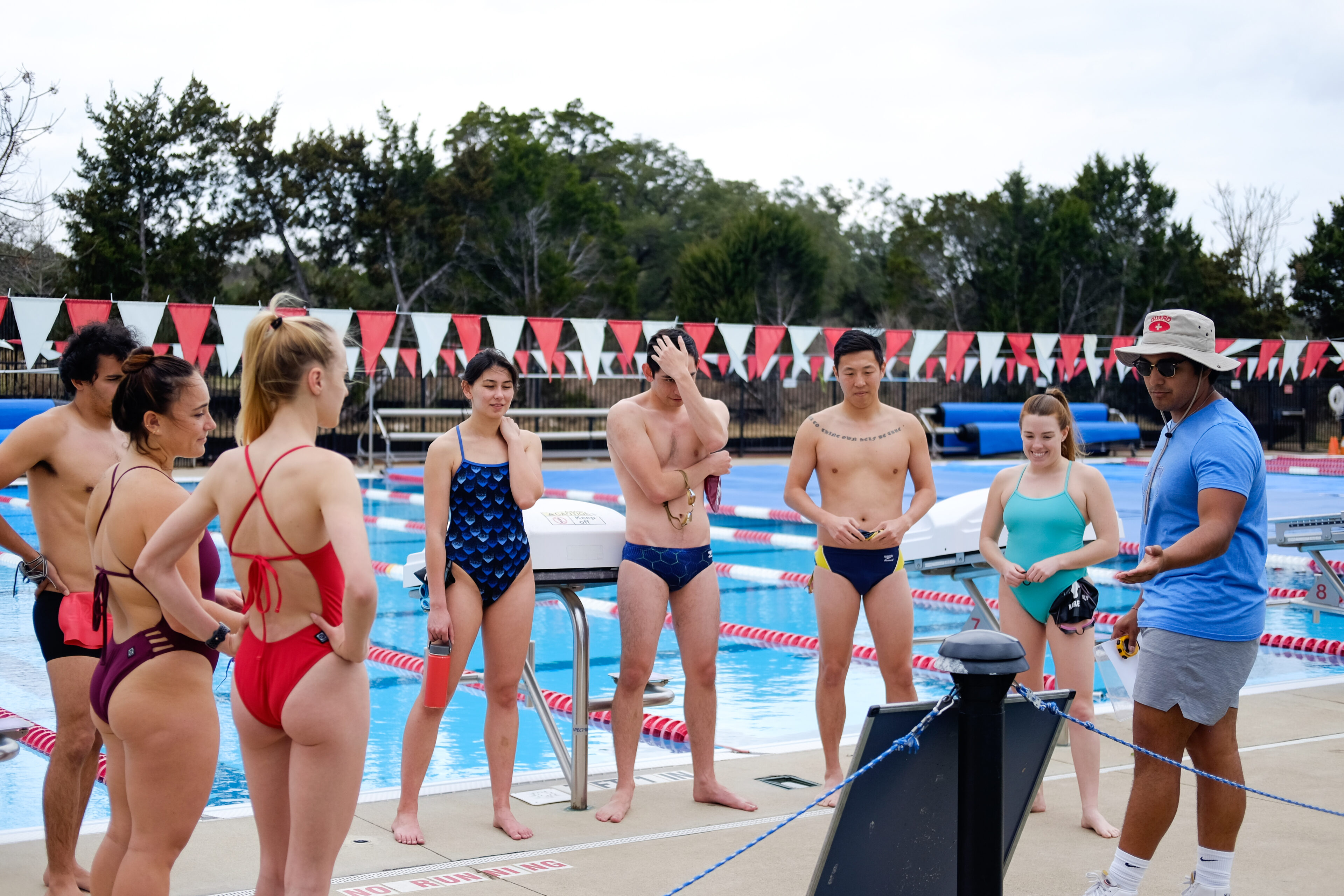
A Summer Rec League Case Study
Teams in the League: 24
Registered Athletes: Approximately 5,200
Meets Run Each Season: 80
Swimtopia Products: Swimtopia Team, Swimtopia Meet, Swimtopia League, Swimtopia Mobile
Primary Goals: Simplify league-wide operations, reduce volunteer demands, modernize meet management, and make leadership transitions easier
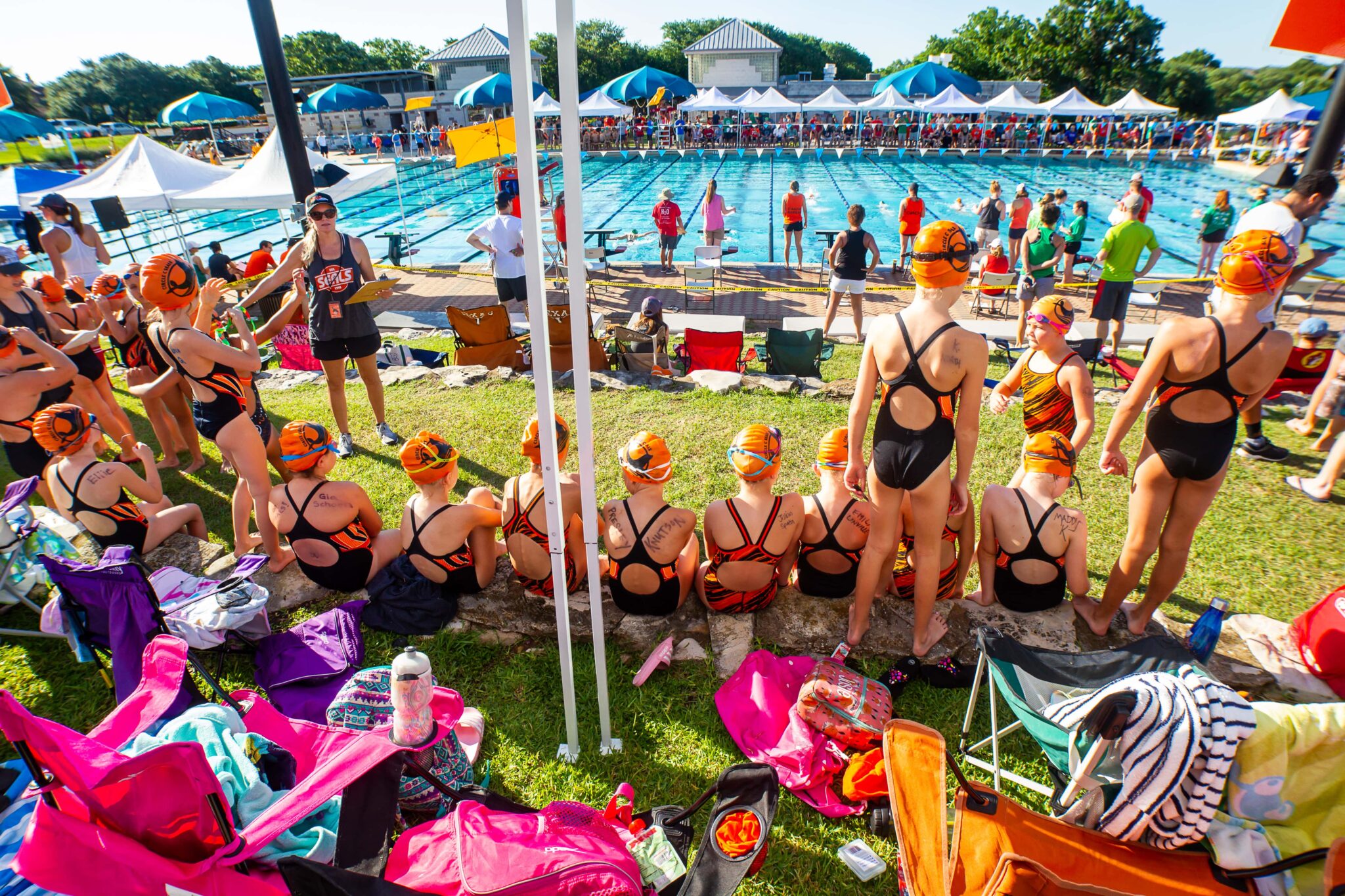
The Prince William Swim League (PWSL) is one of Northern Virginia’s largest summer recreational swim leagues. Approximately 5,200 athletes compete across 24 teams and eight divisions during a six-week season that includes 72 Saturday dual meets and eight divisional championship meets.
Like many summer swim organizations, PWSL depends on parent volunteers to manage team administration and meet operations. These responsibilities must be passed from one generation of volunteers to the next as families move through the league.
Challenges
PWSL’s computer operations relied on legacy systems that required extensive technical knowledge and were difficult for new parent volunteers to learn. When experienced computer representatives left, their replacements often needed hours of training and ongoing assistance from the League Computer Lead.
The league also depended on several time-consuming manual processes. Deck seeding and handwritten cards required 6 to 12 volunteers at some meets to organize swimmers, verify information, and check calculations. Missing cards, handwriting errors, and incorrect lane assignments could create delays and additional work.
League-wide results presented another challenge. Weekly standings, top-time reports, and virtual championship meets depended on custom software created approximately 15 years earlier. Because no current volunteer had the expertise to rebuild it, the league faced significant operational risk if the system stopped working.
Solutions
PWSL adopted Swimtopia across all 24 teams, giving volunteers a more intuitive, web-based way to manage rosters, meet entries, meet setup, and competition data without requiring specialized technical expertise.
The league could establish schedules, entry rules, scoring formats, and other shared meet standards centrally instead of asking every team to configure them independently. Teams completed their entries online and locked them when ready, allowing participating teams to merge meet information through one connected workflow.
PWSL also moved from deck seeding to a structured swimmer check-in and scratch process. Heats and lanes could be prepared before the meet began, allowing Clerk of Course volunteers to focus on getting swimmers to the blocks instead of organizing deck cards.
Because Swimtopia Meet is web based, computer representatives could work from multiple connected devices and manage meet-day responsibilities without depending on a single computer.
Results
Swimtopia gave PWSL a consistent system that was easier for volunteers to learn, use, and eventually hand off to their successors. The league reduced its dependence on a small number of highly experienced computer representatives and gave all 24 teams access to the same supported workflows.
Entering times directly into Swimtopia Meet and allowing the software to handle calculations reduced the number of volunteers required at some scoring tables by as much as half. Eliminating deck cards also saved the league an estimated $1,800 to $2,000 in annual printing expenses, along with approximately $800 per year in unnecessary software upgrades.
Automatic data sharing replaced weekly file exchanges and manual database imports. League standings, top-time lists, and virtual championship entries could be produced more quickly and reliably, without one incorrectly formatted file disrupting the league-wide process.
Most importantly, PWSL created a more sustainable operating model. Future volunteers can be trained on a consistent, intuitive platform backed by responsive support from people who understand summer swimming.
What Prince William Swim League Says
“It will do everything we need it to do, better and easier than our current systems. It will integrate our entire league’s computer operations so that we don’t need 25 experts to get through a season—and it will come with actual people supporting the software and our teams. These changes will mean fewer volunteers can run a more efficient meet, with less frustration and more fun.”
— John Avelis, League Computer Lead, Prince William Swim League

Ready to Simplify Your Club Swim Season?
Bring registration, swimmer information, team administration, meet preparation, and competition management together with SwimTopia.