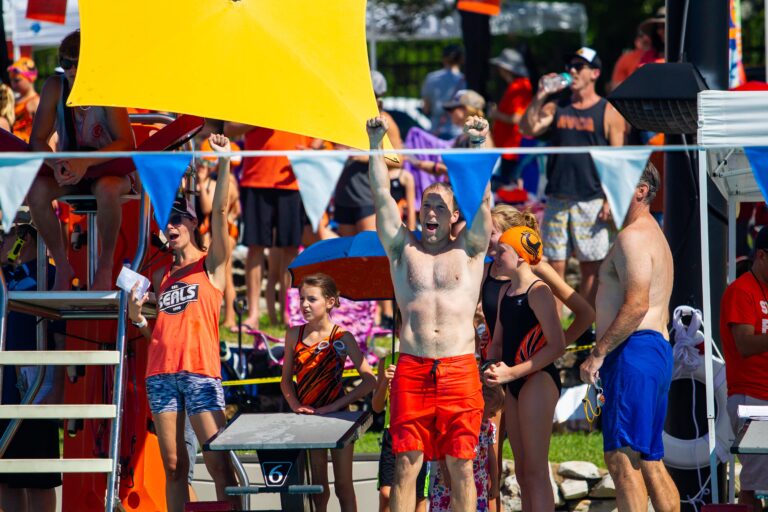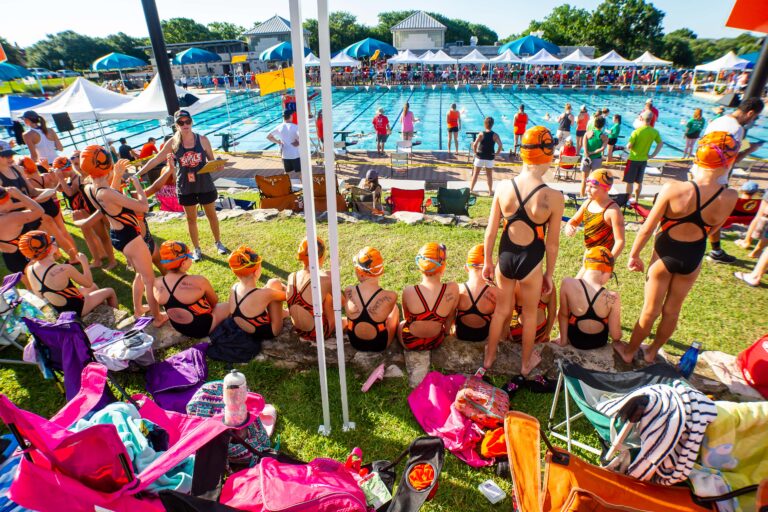

Hosting a swim meet can be a huge win for your team. It helps build community, supports fundraising, gives swimmers a more comfortable opportunity to compete, and strengthens your reputation as a program.
But anyone who’s hosted a meet knows there are a lot of moving parts behind the scenes.
The good news? With a solid plan and the right tools, swim meet planning becomes much more manageable.
Here are seven key steps to running a successful swim meet from start to finish.
1. Start With Clear Goals
Before planning begins, decide what the meet should look like.
Your goals might consider:
- Giving newer swimmers race experience
- Raising funds for the season
- Hosting a qualifying event
- Building stronger relationships with nearby teams
- Creating more opportunities for your swimmers to compete
Clear goals help guide decisions about meet size, timing, staffing, and budget.
2. Build Your Timeline Early
The earlier you start planning, the smoother meet season will go.
Key dates to lock in include:
- Meet date
- Registration deadlines
- Volunteer signup deadlines
- Facility reservations
- Equipment rentals
- League or sanction deadlines
A simple checklist and timeline can prevent last-minute scrambling.
3. Recruit Volunteers Early
Swim meets run on volunteers.
From timers and marshals to check-in tables and concessions, you’ll need plenty of help to keep things moving smoothly.
Start recruiting early and clearly communicate expectations so families know how they can support the meet.
4. Secure Your Pool and Equipment
Once your date is set, reserve your venue as soon as possible.
You’ll also want to confirm:
- Timing systems
- Meet management software
- Safety equipment
- Tables, chairs, and signage
- Audio equipment
- Volunteer supplies
The earlier these details are handled, the fewer surprises you’ll face later.
5. Open Registration and Share Meet Details
Once the basics are in place and meet information is published, you can open registration.
Give teams enough lead time to:
- Register swimmers
- Double check entries
- Arrange transportation
- Submit payments (if necessary)
- Coordinate volunteers
Good communication early on leads to better participation and fewer headaches later.
6. Double-Check League Requirements
Before meet day arrives, review all league or sanction requirements carefully.
This includes:
- Swimmer eligibility
- Certified officials
- Insurance paperwork
- Meet rules
- Safety requirements
Catching issues early gives you time to fix them before they become problems.
7. Finalize the Schedule
After registration closes, build your final meet timeline and heat sheets.
This is also a great time to:
- Confirm volunteer assignments
- Train key volunteers (if needed)
- Review meet-day procedures
- Share final updates with teams and families
Preparation behind the scenes makes meet day much less stressful for everyone.
The Right Tools Make Meet Planning Easier
Organizing a swim meet takes work, but good systems make a huge difference.
Additionally, the right swim meet software can help simplify and house everything mentioned above: registration, volunteer coordination, meet entries, timing integration, communication, results, and reporting.
That means less time chasing logistics and more time focused on creating a great experience for swimmers, families, and coaches.